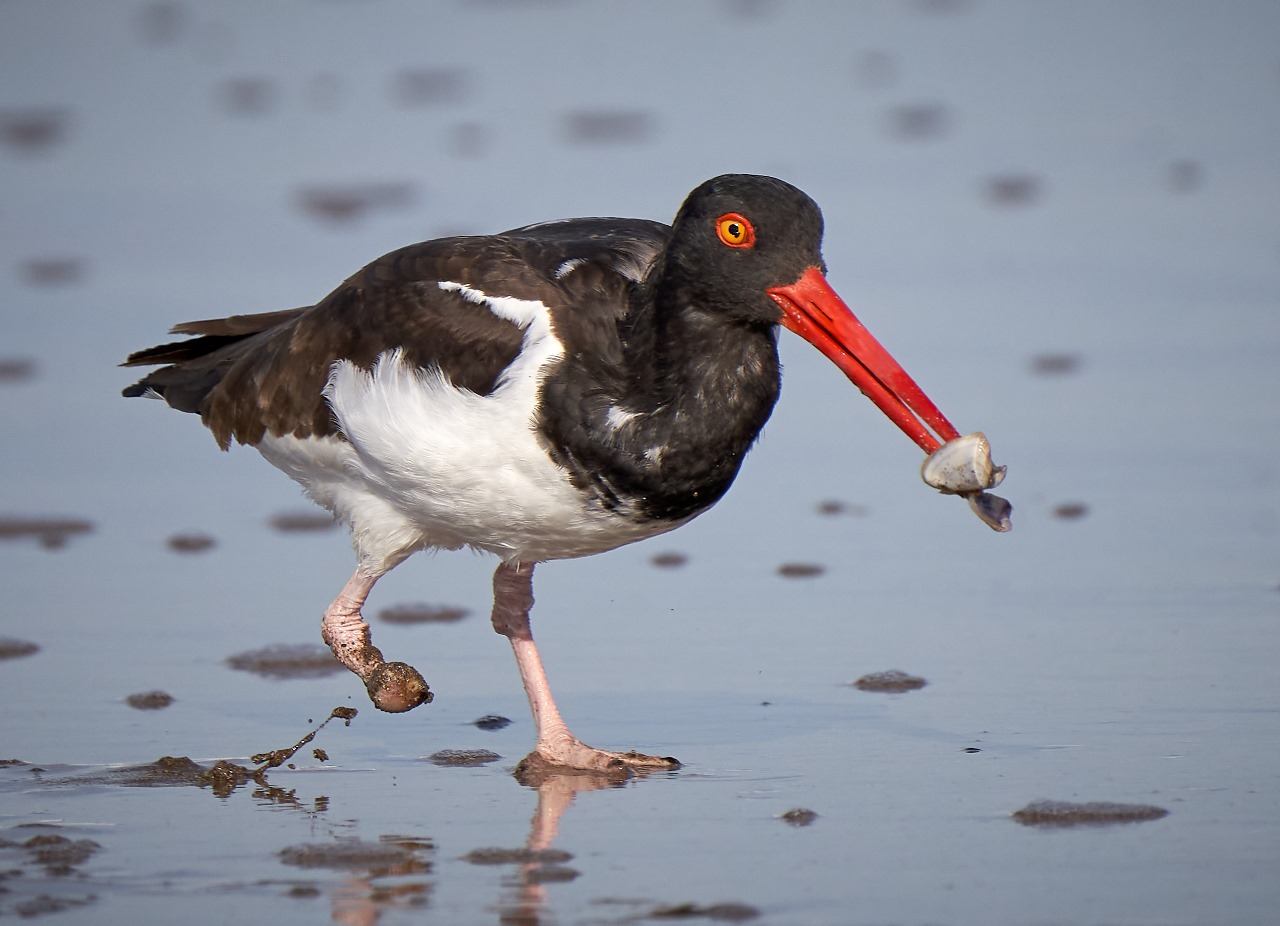
Mar Chiquita functions as a biological service station: without these wetlands, many of these routes would collapse.
Migration is not a romantic whim; It is an evolutionary strategy to exploit favorable seasons.
Energy, photoperiod, genetics and climate orchestrate this aerial ballet.
Shorebirds (plovers and sandpipers) are one of the groups that make the longest migrations on our continent.
Some of them travel every year from the Arctic to Tierra del Fuego.
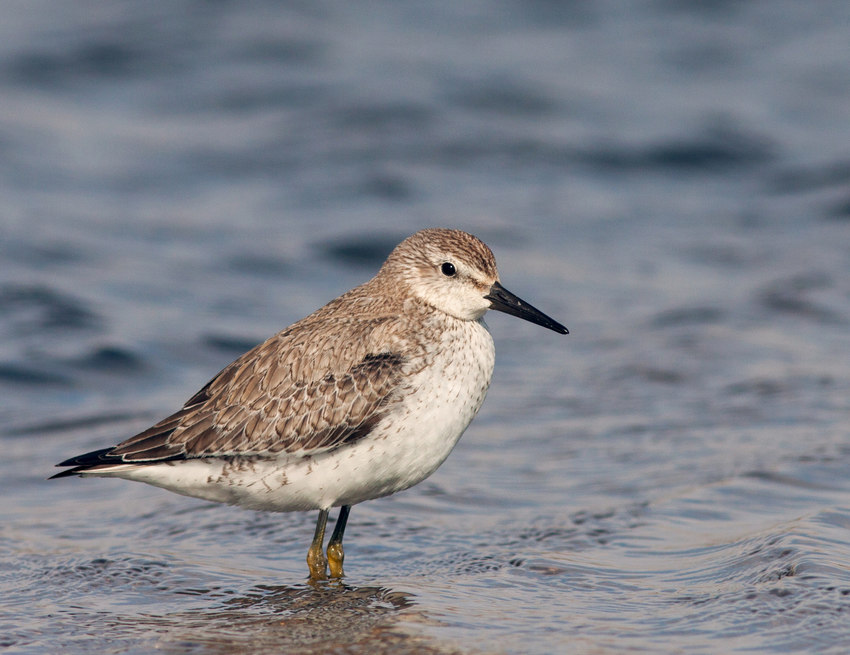
(Calidris canutus rufa)
It comes from the Canadian Arctic. A machine to fly thousands of kilometers.
(Calidris fuscicollis)
Small, tireless, very common in migratory passage.
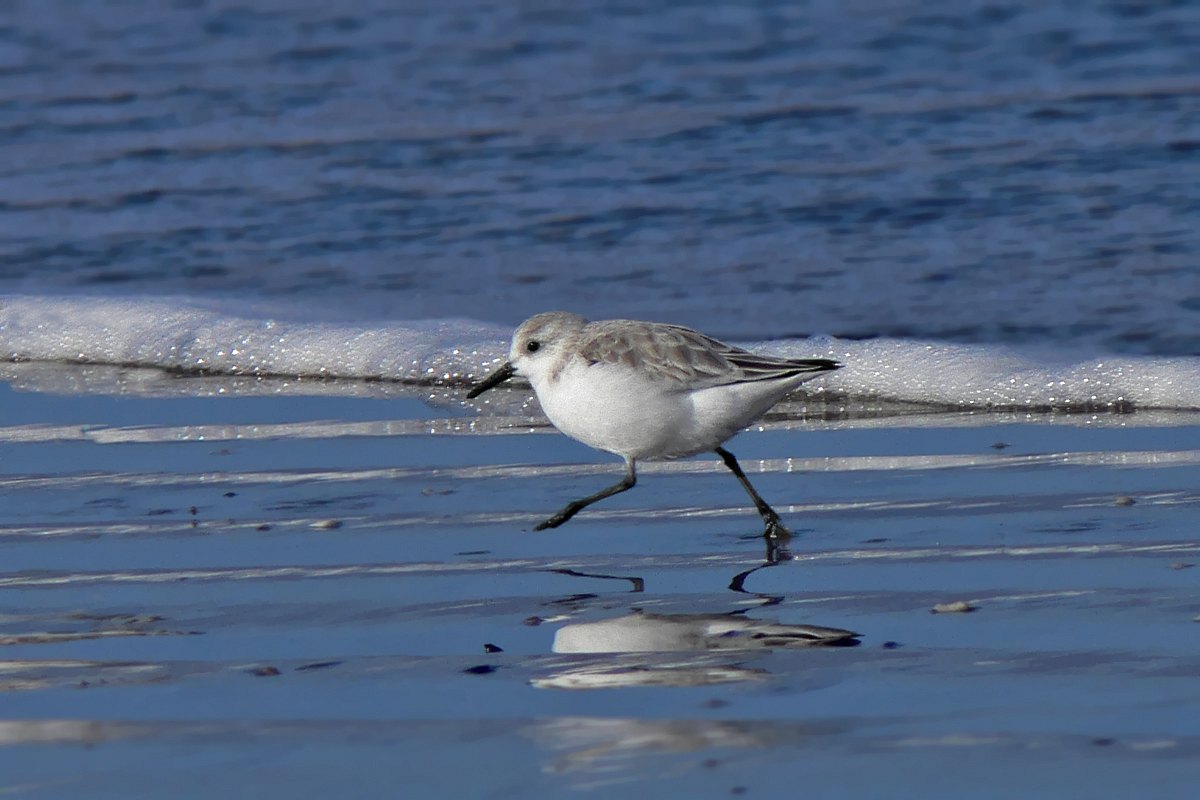
(Calidris alba)
The classic that runs in front of the foam as if playing hide and seek with the sea.
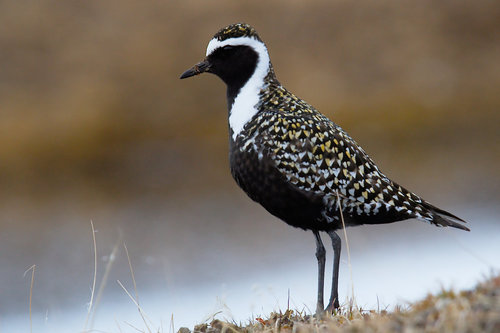
(Pluvialis dominica)
In reproductive plumage it is elegant, Gallic level.
The coastal lagoon of Mar Chiquita, place Ramsar and Biosphere Reserve, is a key stopping point for migratory gulls and terns, mainly the Crab Gull (which arrives at the end of May) and the Little Tern.
These birds, along with other shorebirds, use the area to feed on invertebrates and fish during their migratory routes.
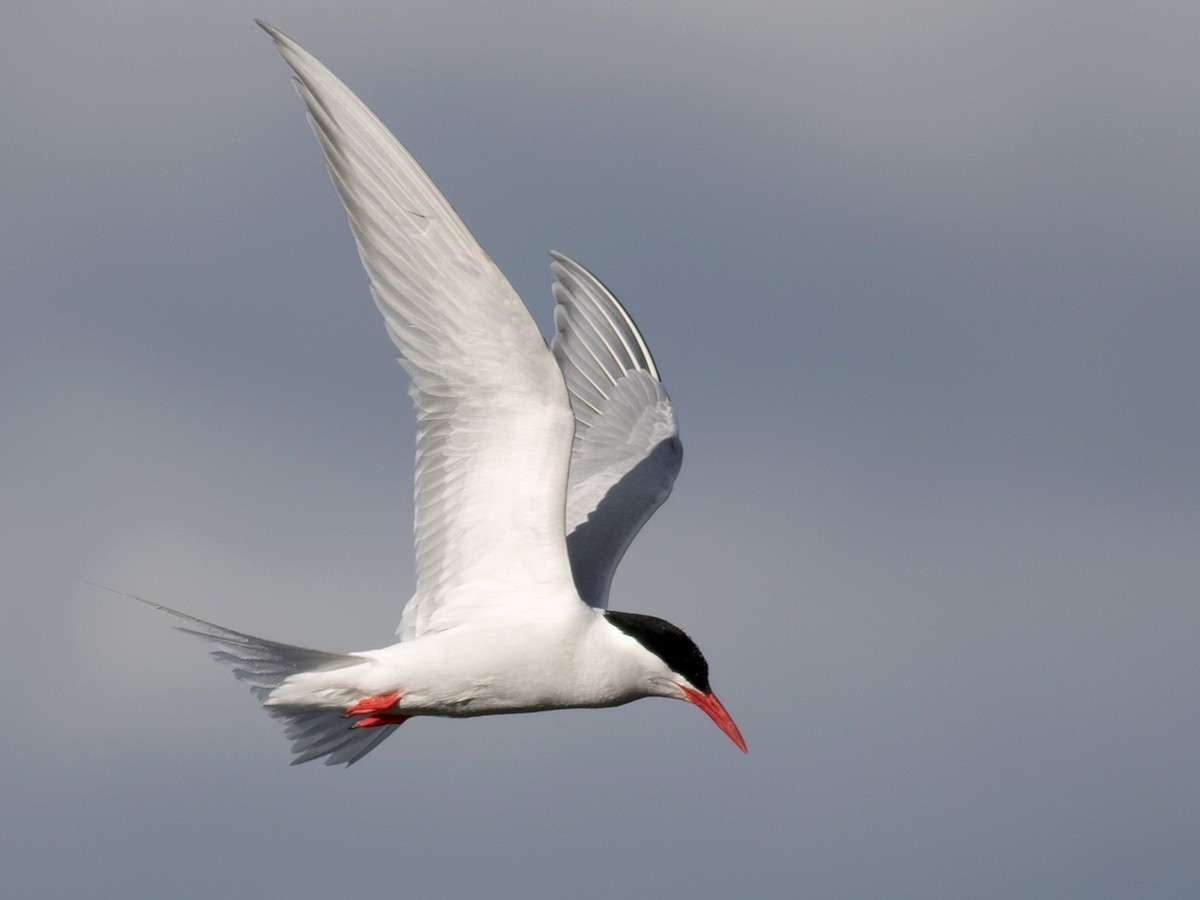
(Sterna hirundinacea)
It moves between Patagonia and the Buenos Aires coast.
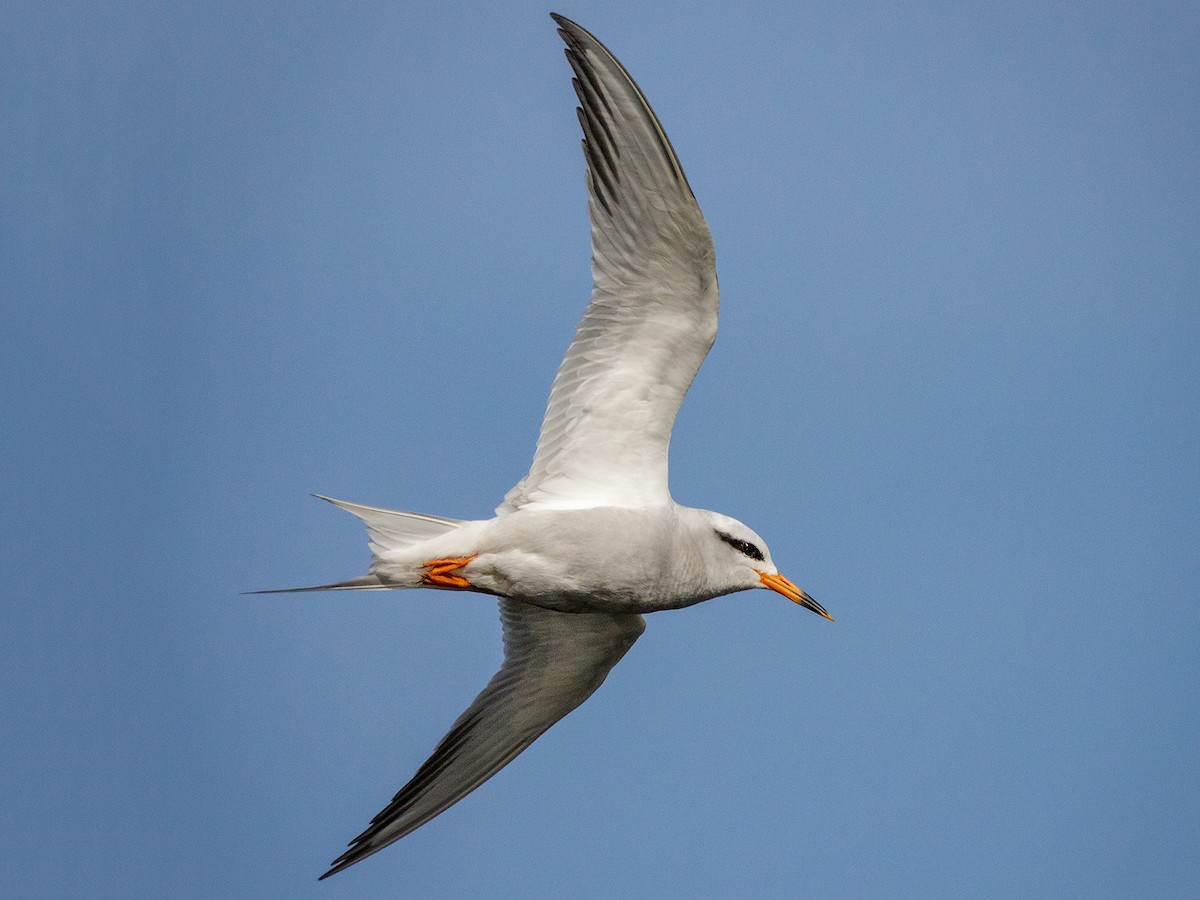
(Sterna trudeaui)
More associated with interior environments, but present in the lagoon.
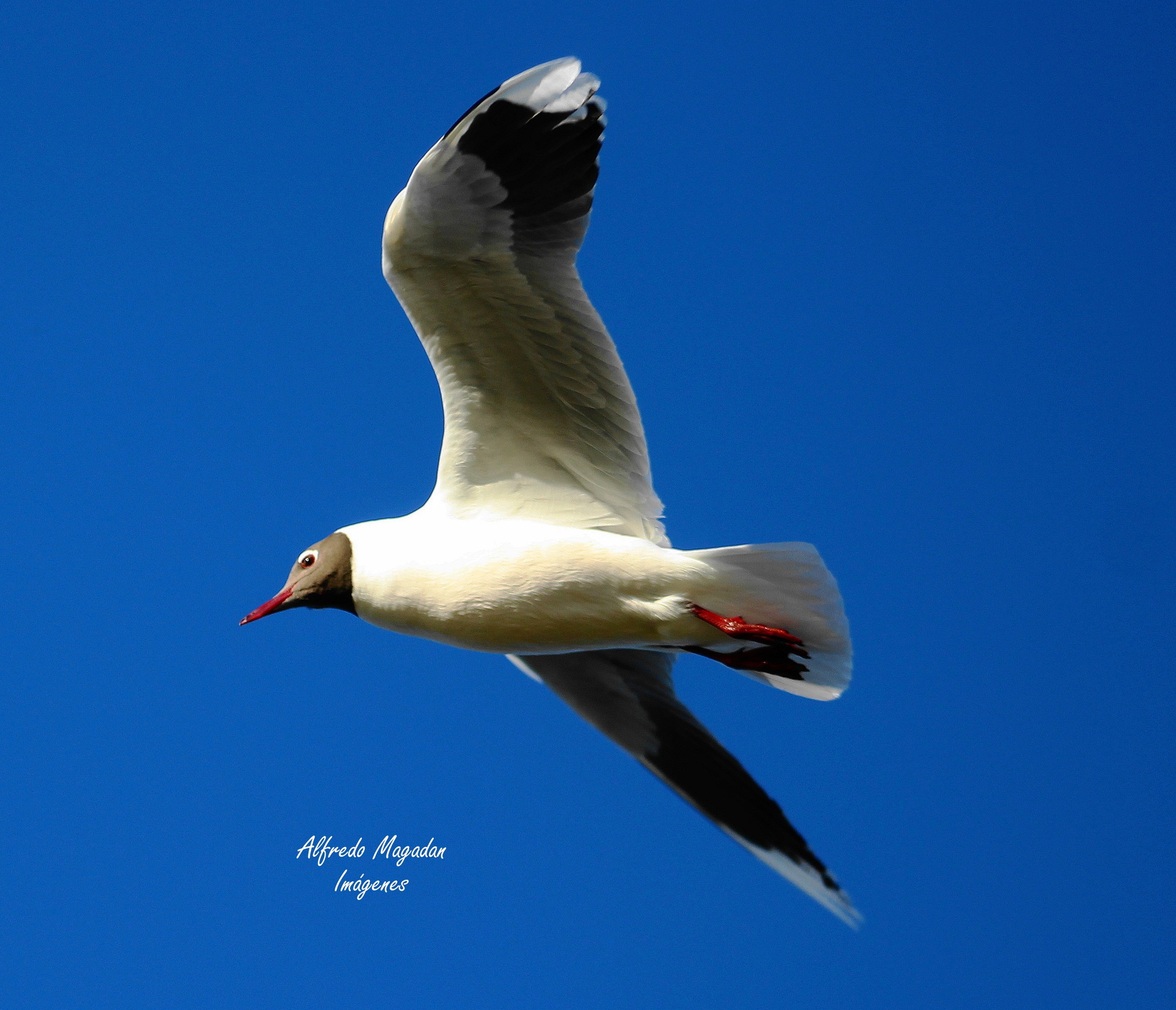
(Chroicocephalus maculipennis)
Partial migration; many come down from the south in winter.
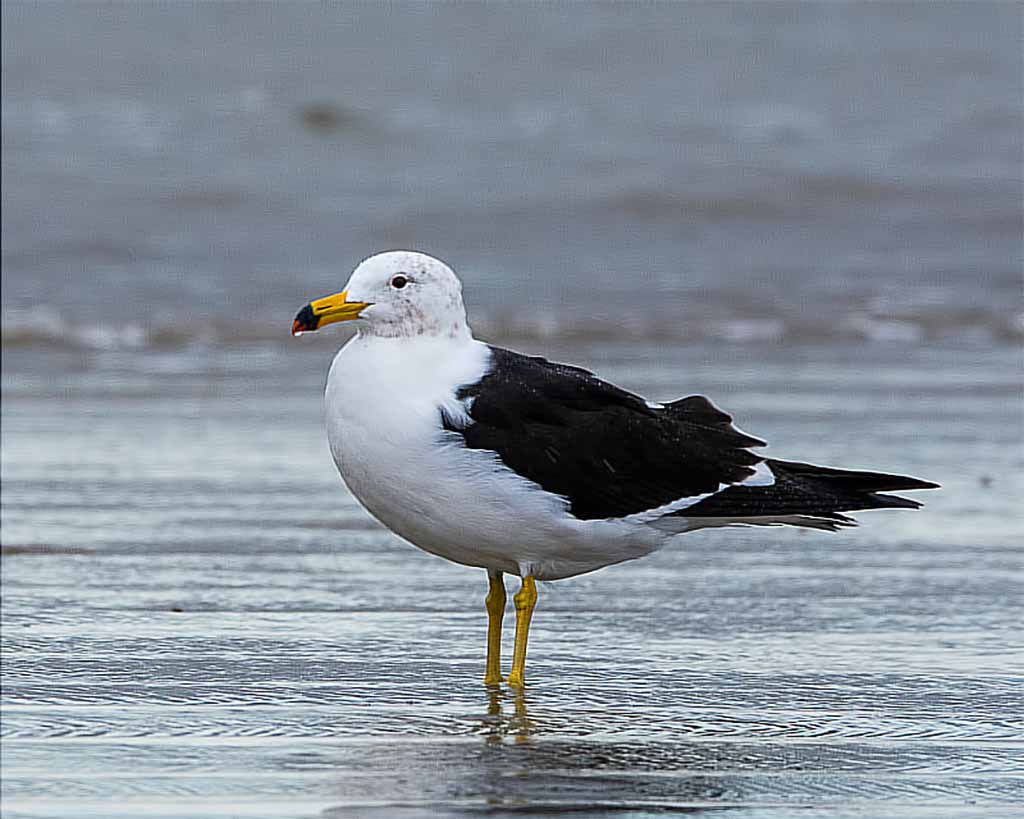
(Larus atlanticus)
Argentine endemic and vulnerable. It moves according to food availability.
The Mar Chiquita Albufera, an internationally recognized site by the Hemispheric Shorebird Reserve Network (WHSRN), acts as a key refuge for various migratory raptor species that travel thousands of kilometers from the north to feed and rest.
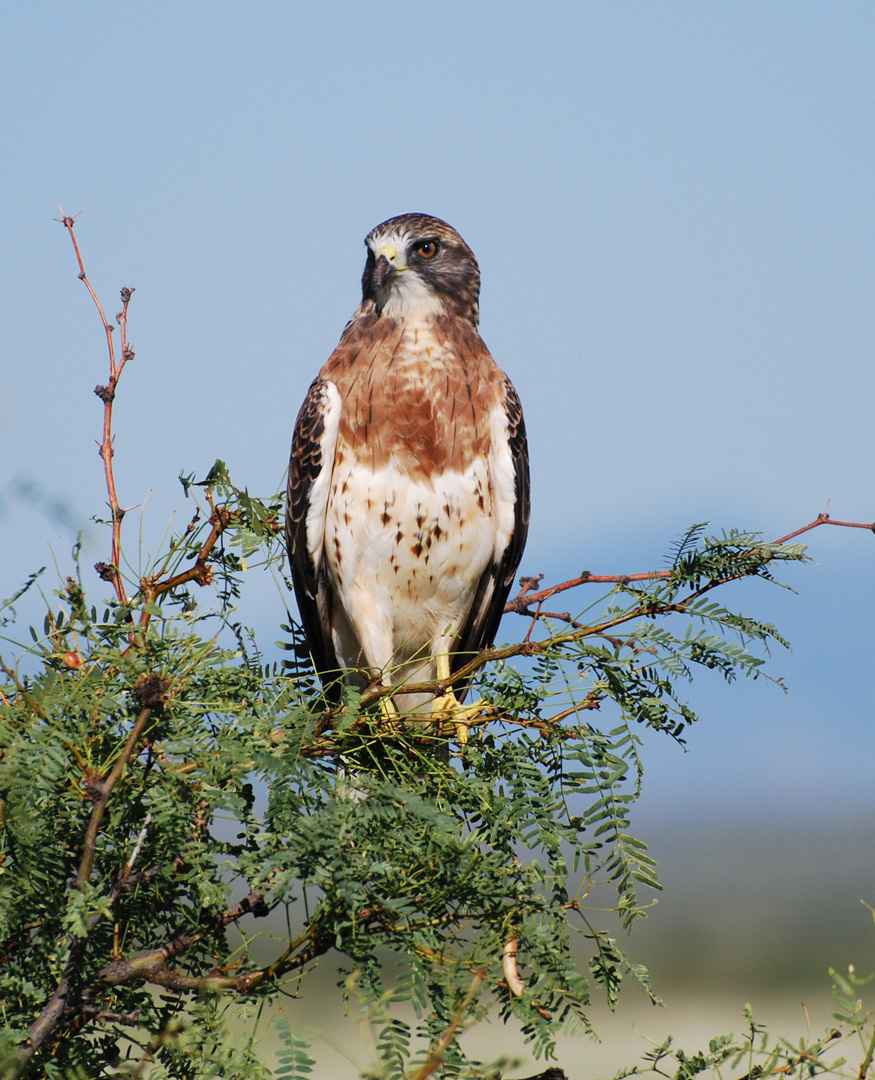
(Buteo Swainsoni)
It breeds in North America and spends the southern summer in Argentina. A classic of fields and pastures.
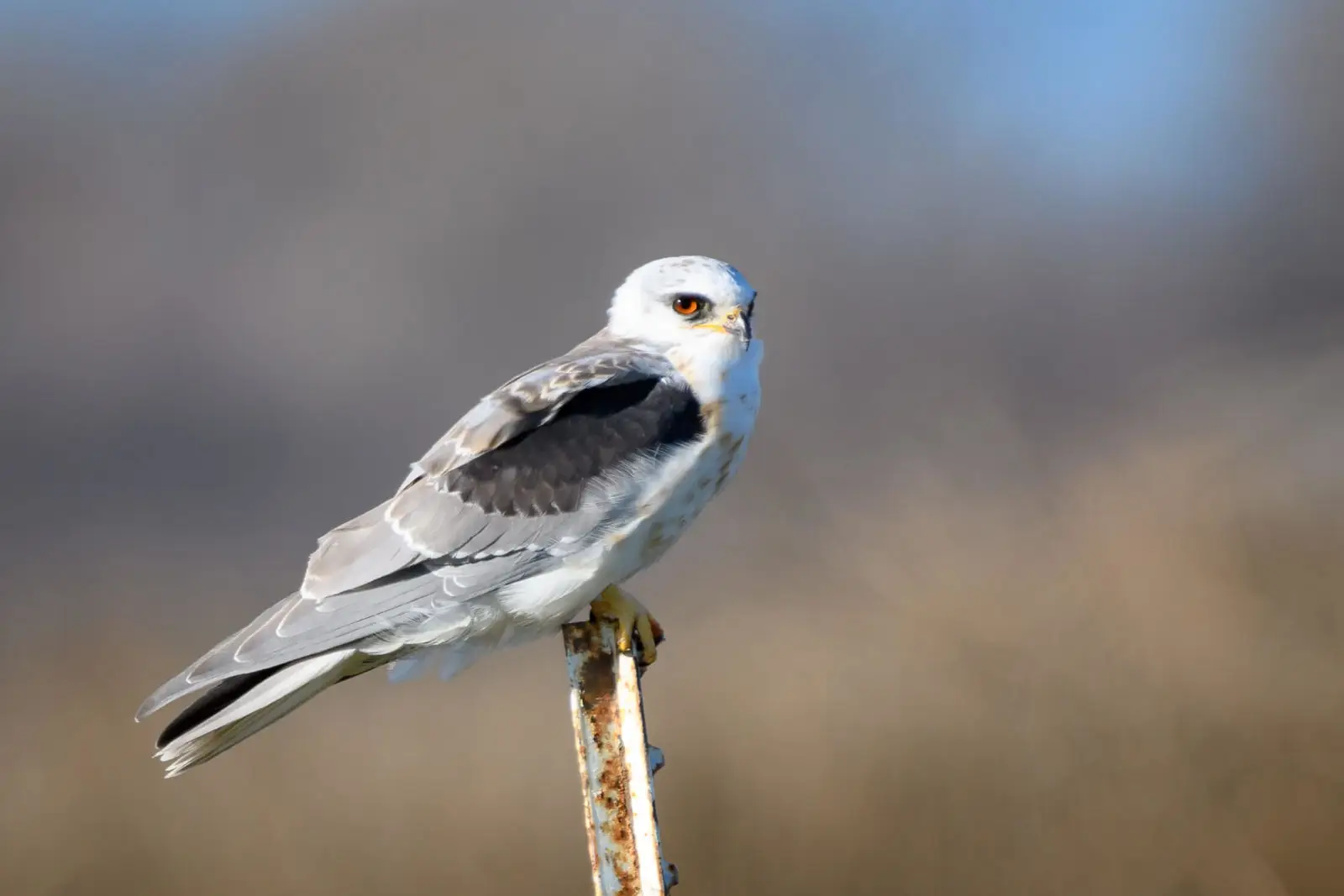
(Elanus leucurus)
It is a partially migratory and nomadic raptor, making seasonal movements mainly in search of food (rodents) rather than due to cold weather.
They move towards the north or warmer areas after reproduction, with notable movements between January and April.
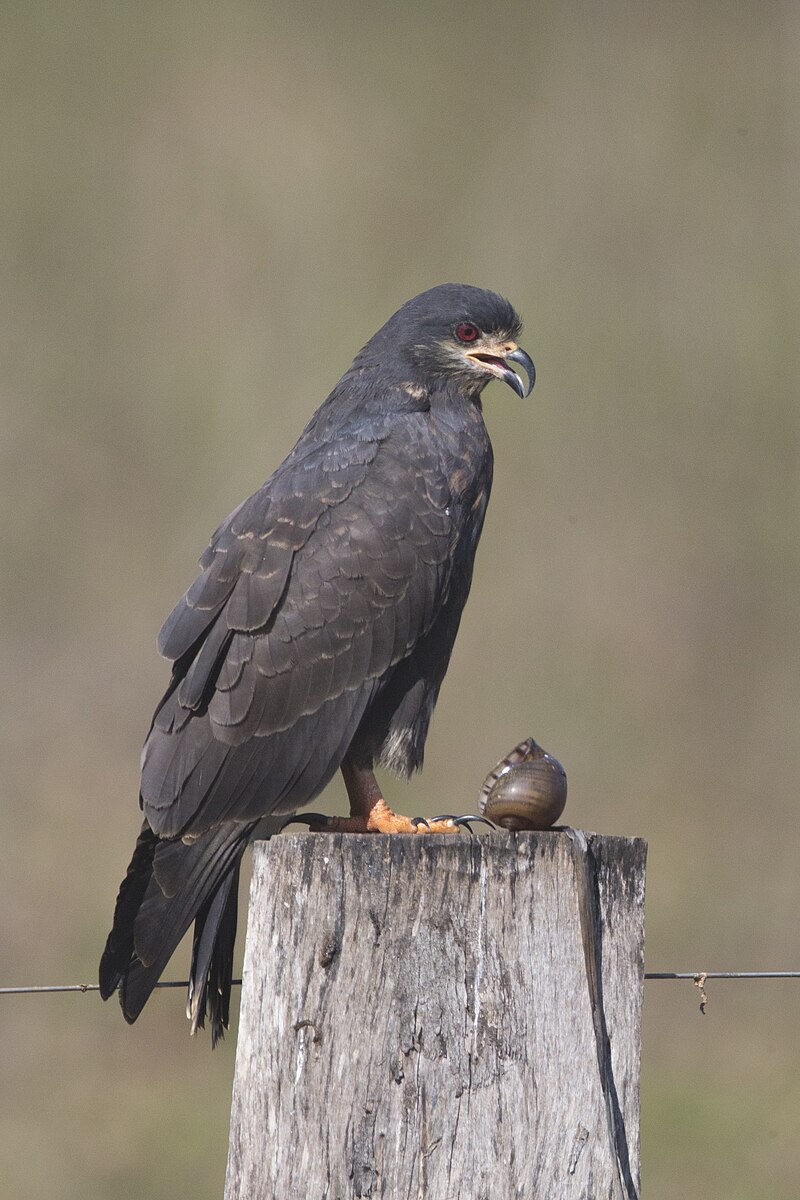
(Rostrhamus sociabilis)
Erratic depending on water levels and available snails.
The Mar Chiquita District receives, among other notable species, the Little Earswallow, the Brown Swallow, the Earwig and the Fiofío wigeon, among other species.
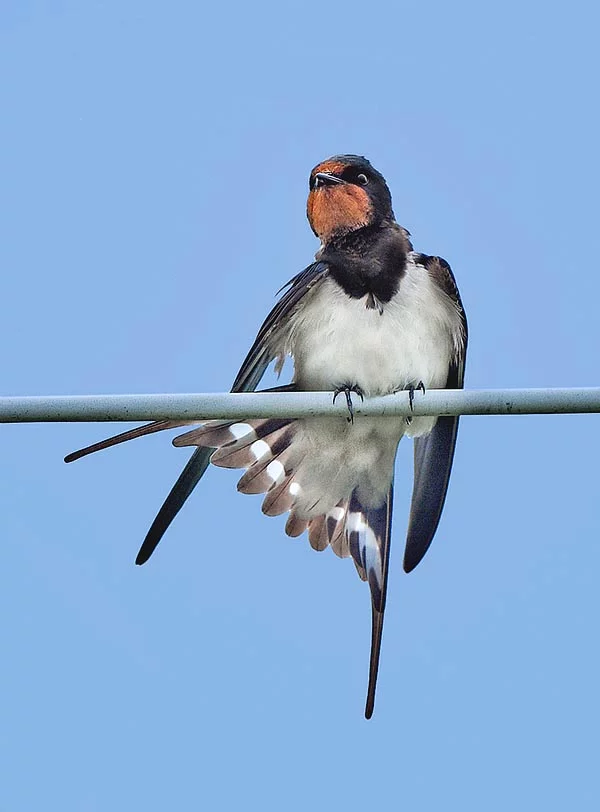
(Hirundo rustica)
Hemispheric migrator. In summer it fills the cables like musical notes.
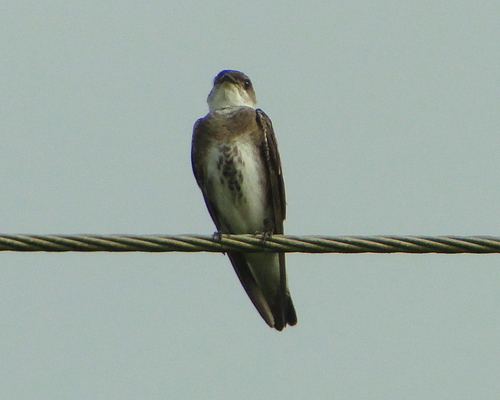
(Progne tapera)
It nests in North America and goes south in our spring-summer.
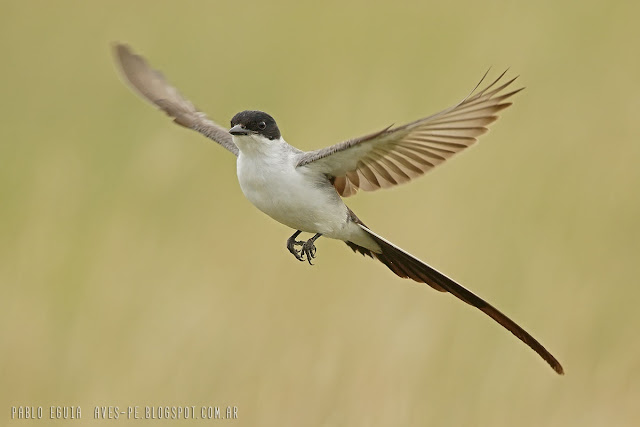
(Tyranus sabana)
South American icon. Ribbon tail in the wind.
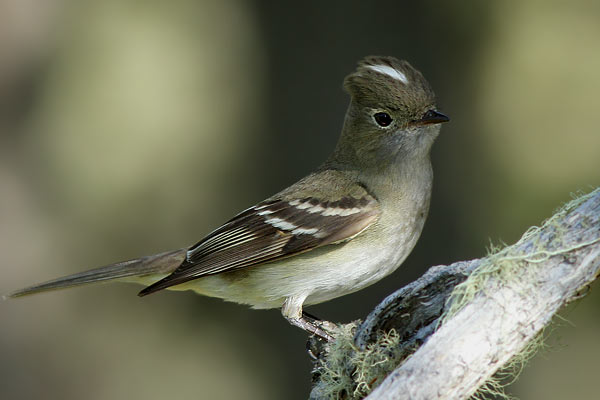
(Elaenia albiceps)
Breeds in Patagonia and migrates north; in passing can be seen in the region.
Not all species may be listed.