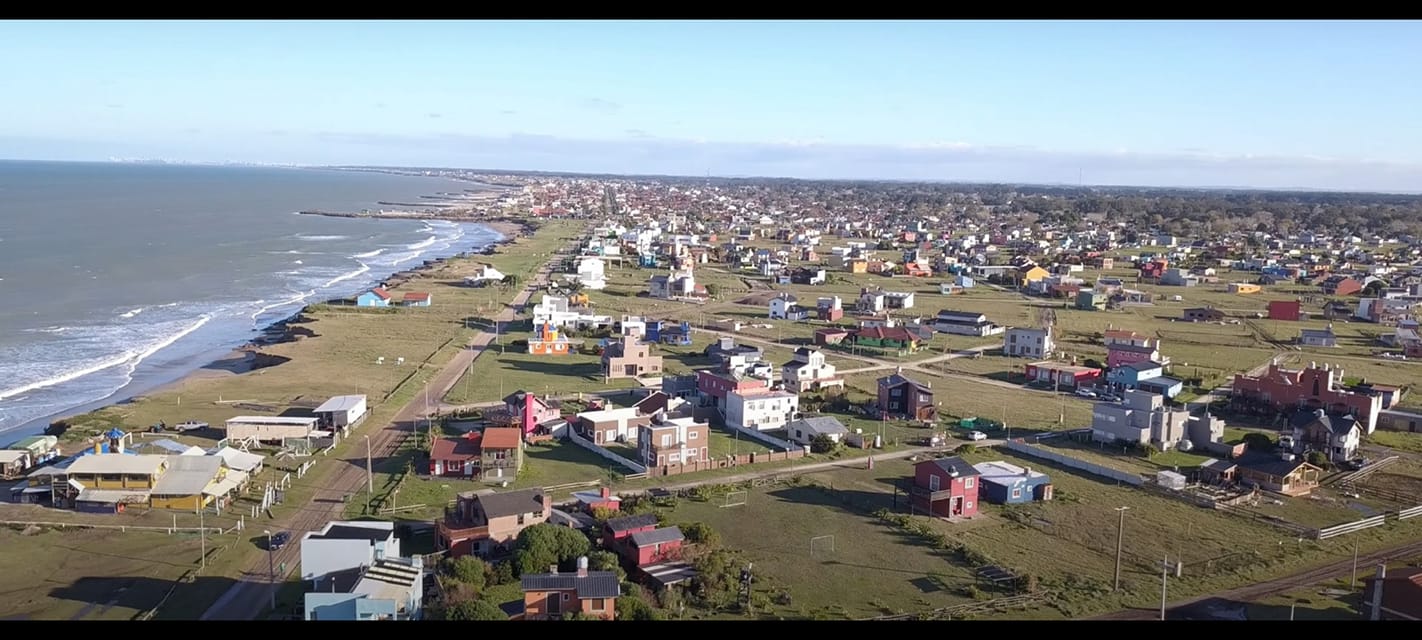
Camet North is located in the southern sector of the Mar Chiquita municipality, on the Atlantic coast of Buenos Aires Province.
It is situated between Santa Clara del Mar and La Caleta, with direct access from Provincial Route No. 11.
Its location combines marine coast, dunes, grasslands, and lightly urbanized areas, making it one of the most natural zones along the municipal coastline.
Camet North is a quiet, open place with a natural profile, low building density and large spaces without intervention.
It is not a mass tourism center: its identity is linked to the landscape, the wind, the sound of the sea and wildlife.
The sandy streets, the large plots and the low night lighting encourage direct coexistence with local fauna. During the day, the sea and pastures are in focus; at night, the scene changes… and owls come into play.
Camet North is especially known for the frequent presence of owls, favored by open environments, stabilized dunes and low human disturbance.
Key environments:
Coastal grasslands
Dunes and sand dunes
Open fields and cleared areas
Dimly lit urban border
Owls and nocturnal birds of prey
In the area it is common to observe:
Burrowing owl, visible even during the day, using caves in open terrain.
Other nocturnal birds of prey that take advantage of the abundance of rodents and insects.
The burrowing owl is one of the most emblematic species in the area:
it can be seen perched near its caves, watching the environment with complete calm… as if saying “this neighborhood is mine”.
Other birds
In addition to the owls, Camet Norte is home to:
Grassland and open country birds.
diurnal raptorss
Coastal and marine birds
Passerines adapted to windy environments
Value for sighting
Camet Norte is ideal for:
Observation of terrestrial birds and raptors
Twilight and night watching
Natural Behavior Photography
The low urbanization and respect for open spaces make birds maintain natural behaviors, something increasingly difficult to find in coastal areas.