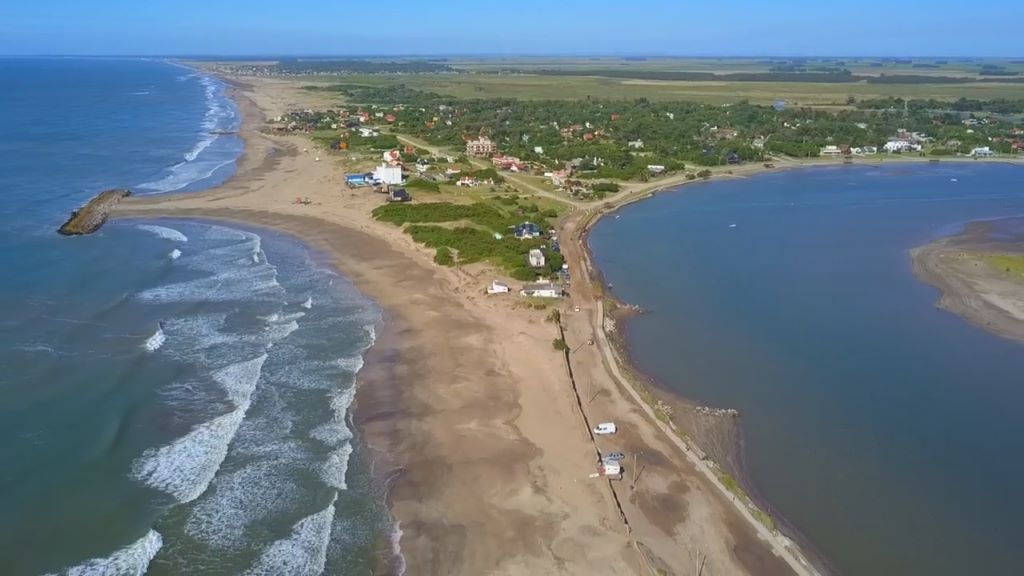
The Coastal Albufera of Mar Chiquita is a unique coastal lagoon in Argentina, located in the province of Buenos Aires, which forms a saline ecosystem by mixing the Atlantic Ocean with freshwater from streams, separated by a chain of dunes and connected by a natural mouth with the sea. It is a site of great ecological value, recognized as a Biosphere Reserve by UNESCO, ideal for birdwatching migratory birds (especially shorebirds) and nautical activities such as kayaking, in addition to having interpretive trails and an important natural heritage for tourism.
The Mar Chiquita lagoon is a coastal lagoon.
It was declared a biosphere reserve by UNESCO in 1996..
Ecosystem: Body of brackish water fed by the sea and fresh waters, creating rich biodiversity.
Recognition: Biosphere Reserve (UNESCO) and important site for shorebirds (WHSRN).
Flora and Fauna: Habitat for fish, shorebirds (key stopover and wintering site) and plants adapted to salinity.
Hiking: Guided tours along environmental interpretation trails, such as the Eastern Trail, which culminates at the mouth of the lagoon.
Bird Watching: Observation of migratory and local species, especially in areas such as esparto and jume grasslands.
Nautical activities: Kayaking, paddle surfing and boat rides to enjoy the "inland sea".
Fishing: Great fishing activity in its brackish waters.
Landscape: Enjoy the natural beauty, the dunes and the mix of environments.
Education: Visit the first sustainable public school in Argentina, located in the area.
The Albufera Mar Chiquita is a paradise for bird watchers, housing more than 170 species, including southern flamingos, herons (such as the white and cattle), black-necked swans, biguaes, ducks, and a wide variety of migratory plovers and sandpipers (stripers, sandpipers, double-collared plover), as well as gulls and terns, being a key site for shore and water birds that arrive from the Arctic and South America.